
How School Trips Make Learning More Interesting for UAE Students
Learning beyond the classroom
Why school trips stick with children long after the bus ride home
Ask any UAE pupil about their favourite school day and you will rarely hear about a worksheet. You will hear about the aquarium, the desert reserve, the museum, the picnic where their whole class finally felt like a team. Trips change the shape of learning, and the numbers back that up.
Classroom lesson versus field trip: the honest trade-off
A regular classroom day
- Content delivered mostly through textbooks and slides.
- Children sit in fixed groups for hours.
- Recall drops sharply within a week of the lesson.
- Quieter pupils rarely find a chance to lead.
- Learning stays abstract: names, dates, formulas.
A well-planned school trip
- Concepts meet real objects, spaces, and people.
- Children move, talk, and choose where to look.
- Memories anchor to place and emotion, so they last.
- New friendships form outside the usual seating chart.
- Teachers see personalities they never see in class.
Section one
What the numbers actually mean
Research on experiential learning has been consistent for decades: children remember what they do far better than what they hear. A widely cited study from the University of Arkansas found that students who visited an art museum on a school trip showed measurable gains in critical thinking, historical empathy, and tolerance, effects still visible weeks later. That is not magic. It is the brain doing what it evolved to do, tying knowledge to place and story.
In the UAE, the setting adds another layer. A morning at the Louvre Abu Dhabi turns an art unit into a walk through world history. A visit to a mangrove reserve in Umm Al Quwain makes ecosystem diagrams suddenly obvious. Even a short trip to a public library or a botanical garden gives children the physical evidence that the ideas in their textbooks exist outside the book.
The social benefit is just as real. Children who barely speak in class often become the group’s navigator, translator, or peacemaker on a trip. Parents notice the change too, especially when families are choosing between the best American schools in Ajman and want to know whether learning goes beyond exam prep. Frequent, well-designed outings are usually a good signal.
Why children come back calmer and closer
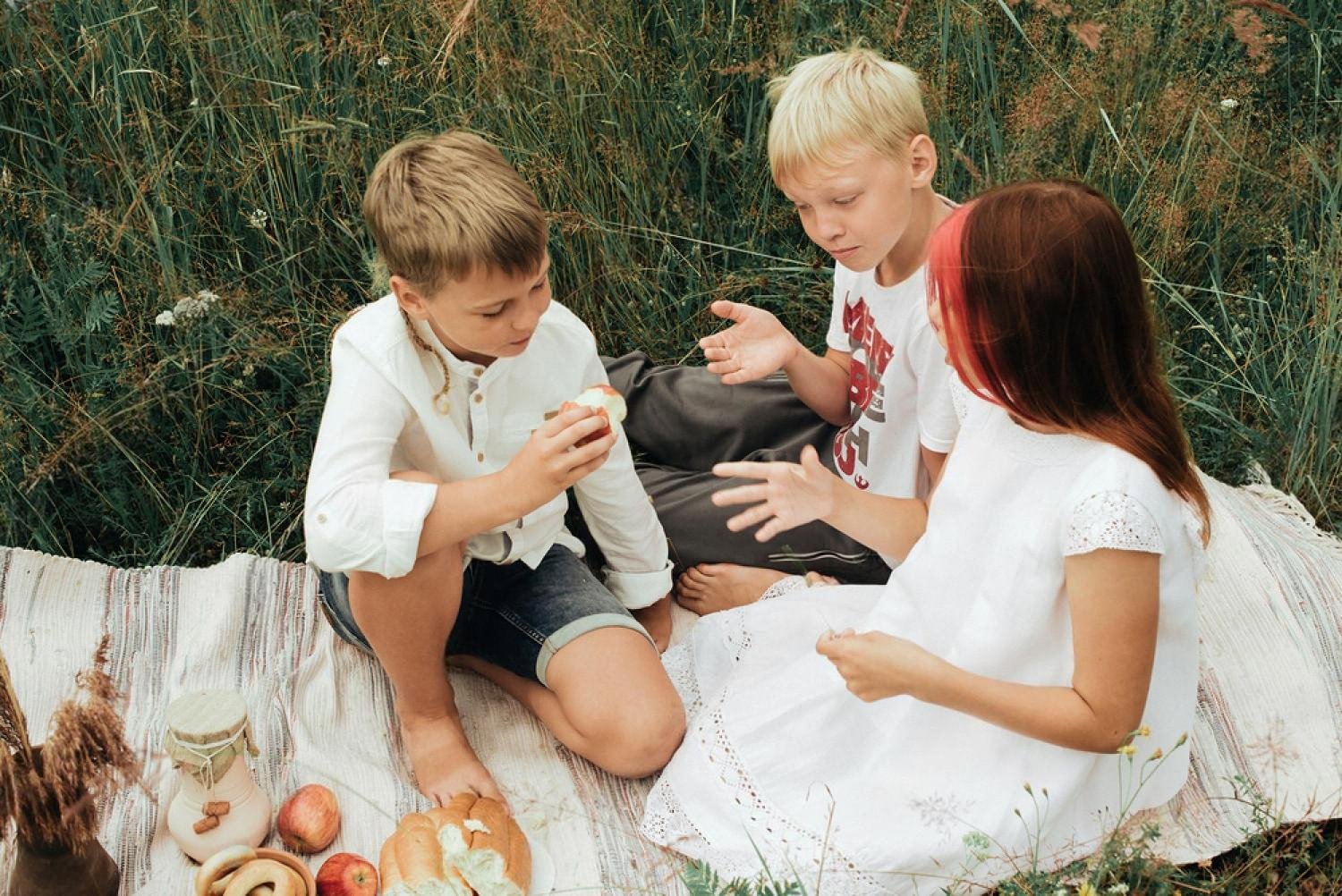
There is a quieter side to school trips that rarely shows up in test scores. Being outside, moving between exhibits, or eating lunch on a blanket under trees resets a child’s nervous system in a way a classroom cannot. The World Health Organization has repeatedly linked time outdoors with lower stress markers in children and better sleep at night. Teachers in the UAE often report that the day after a trip is one of the most focused days of the term.
Trips also break the invisible hierarchy of the classroom. Away from assigned desks, children mix differently. A pupil who struggles with maths might spot the rare bird everyone else missed. A shy student might crack the museum’s puzzle first. Those small wins get carried back into school, and the next Monday morning feels a little kinder than the one before.

Three kinds of trips worth planning this year
Cultural and historical sites
Qasr Al Hosn, Sharjah Heritage Area, or the Etihad Museum give children the story of the UAE in the buildings themselves. Pair the visit with a short writing task afterwards and the lesson lands twice.
Nature and science outings
Mangrove kayaking, desert conservation reserves, the Dubai Miracle Garden, or a planetarium session turn science units into something children can point at and smell and hear.
Simple picnics and short hikes
A trip does not need to be expensive. A morning picnic in a city park, a walk along the Corniche, or a class visit to a local farm can do more for group bonding than a whole term of icebreakers.
Making trips count: what parents and schools can do
- Prepare, do not just announce. A five-minute talk the day before, with a couple of things to look out for, turns passive sightseeing into a small mission.
- Mix the groups. Let children pair with someone they usually do not sit next to. The trip becomes the excuse the friendship needed.
- Leave room for boredom. Not every minute needs to be scheduled. Children learn from the in-between moments, on the bus, on the grass, waiting in line.
- Follow up in class. A drawing, a short group presentation, or a class discussion the next day locks in what was seen.
- Vary the destinations. Rotate between city, nature, and cultural sites across the year so different children get their moment to shine.
The children who barely spoke in September were leading the group by the end of the museum tour in November. The trip did not add anything new to the curriculum, it simply gave them a reason to use it.
Frequently asked questions
How often should schools organise trips during the year?
A healthy rhythm for primary and middle school is roughly one meaningful trip per term, plus smaller local outings such as park visits or library sessions in between. That balance keeps trips special without turning them into a rare event.
Are school trips actually linked to better academic results?
Yes, when they are tied to the curriculum. Multiple studies show improved recall, stronger critical thinking, and better writing on topics tied to a trip. The key is preparation before the visit and reflection afterwards, not the trip alone.
What are good trip destinations in the UAE for younger children?
For younger pupils, sensory-rich, contained spaces work best: the Dubai Aquarium, Sharjah Children’s Reading Festival venues, the Green Planet, botanical gardens, or short farm visits. Big open museums can wait until they are older.
How can parents support what their child learns on a trip?
Ask specific questions when they come home. Instead of “was it fun?”, try “what was the strangest thing you saw?” or “who did you spend most of the day with?”. Those prompts pull out details that the child will then reinforce by telling you.
Do school trips help shy or anxious children?
Often, yes. Being outside the classroom removes the usual social pressure, and shy children frequently find a new role in the group. Teachers should still pair them thoughtfully and check in during the day, but trips are usually a net positive for confidence.
Are picnics really educational, or just fun?
Both, and that is the point. A picnic strengthens the group, gives children unstructured time to talk, and lowers stress. Learning happens more easily in a group that trusts each other, so the fun is doing real work.

Fixie owner, coffee addict, audiophile, reclaimed wood collector and proud pixelpusher. Acting at the fulcrum of design and purpose to create strong, lasting and remarkable design. Nothing ventured, nothing gained.